
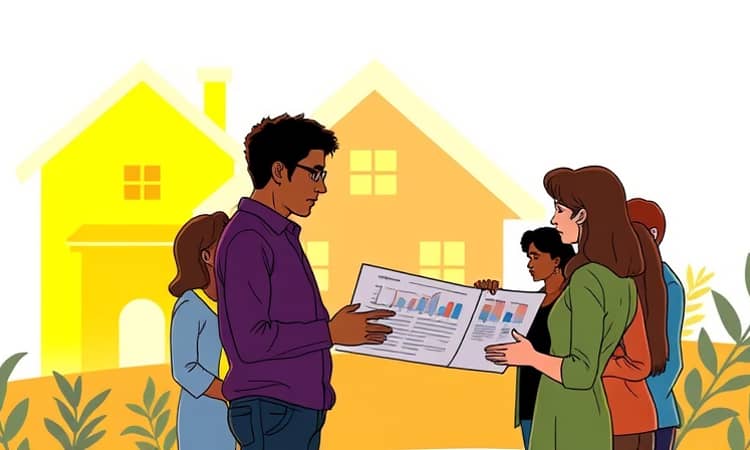
In today’s complex financial landscape, homeowners and borrowers seek innovative ways to optimize their debts and improve their cash flow. While mortgage refinancing is a well-known strategy, there is a broader world of opportunities when you explore refinancing other types of debt.
This article provides an in-depth guide to understanding the mechanics, benefits, risks, and strategic factors involved in refinancing credit cards, personal loans, auto loans, and student loans. Read on to discover how to take control of your finances.
Understanding Refinancing and Its Scope
Refinancing involves replacing an existing loan with a new one that offers more favorable terms, such as a lower interest rate or a different repayment period. It can also be used to convert unsecured debt into a secured form, backed by collateral like a home.
When executed well, refinancing becomes an essential financial tool that streamlines obligations, reduces costs, and supports long-term planning. However, it requires careful assessment of fees, eligibility, and the overall impact on your budget.
- Credit card debt
- Personal loans
- Auto loans
- Student loans (federal and private)
Major Refinancing Mechanisms Explained
Among the most popular methods is a cash-out refinance, where your existing mortgage is replaced with a larger one. Homeowners receive the difference as a lump sum, which can then pay off high-interest balances.
Alternatively, home equity products such as a home equity loan or a HELOC allow you to borrow against the accrued value of your property without altering your primary mortgage. Each has unique features, from fixed rates to revolving credit lines.
For non-mortgage debts like auto or student loans, you can directly refinance with specialized lenders. This often means locking in a lower rate, but it may sacrifice benefits such as federal student loan protections or original manufacturer warranties.
Understanding each mechanism’s structure and restrictions ensures you make well-informed financial decisions aligned with both short-term cash needs and long-term wealth-building goals.
Key Financial Context and Statistics
As of mid-2023, average interest rates illuminated the potential savings from refinancing. A typical 30-year fixed mortgage sat at 6.39%, while 24-month personal loans averaged 11.48%. Credit card rates hovered near 20.92%, highlighting a stark contrast.
Consumer debt averages underscore why many consider consolidation: the mean credit card balance exceeded $5,900, and personal loan holders carried more than $18,000 in obligations. By shifting balances to lower-rate instruments, borrowers can save thousands over the life of a loan.
Advantages of Refinancing Various Debts
Refinancing beyond your mortgage can deliver transformative benefits for your financial health. Key perks include:
- Lower overall interest costs by moving high-rate balances to cheaper alternatives
- Streamlined payments and easier tracking with fewer creditors to manage each month
- Access to home equity for consolidating unsecured debts into one secured loan
- Potential financial reset through consolidation to avoid missed payments and penalties
Risks and Potential Downsides to Consider
Before proceeding, be aware of the possible drawbacks tied to refinancing:
- Significant upfront closing costs and fees that can offset initial savings
- Increased foreclosure risk on secured debt if you borrow against your home equity and fail to repay
- Higher total interest if extending loan terms reduces monthly payments but increases lifetime cost
- Loss of original loan benefits such as federal forgiveness programs or special deferment options
Comparing Equity-Based Products
Homeowners often choose between a cash-out refinance, a home equity loan, or a HELOC when consolidating debt. Each product carries distinct structures and risks.
Evaluating each option in light of your equity position, rate environment, and long-term objectives is crucial. Make sure any anticipated savings exceed the costs and risks involved.
Strategic Considerations for Borrowers
When interest rates are historically low, refinancing becomes more attractive. However, rising rates may erode your potential savings and extend your break-even horizon significantly.
Assess factors such as your credit profile, income stability, and existing equity. Only borrowers with strong qualifications typically secure the most competitive terms, so pre-qualification assessments can reveal realistic options.
Clarify your financial goals: whether you aim to reduce monthly obligations, shorten payment terms, or unlock liquidity for investment or emergencies. Aligning your strategy with these goals will guide product selection and term decisions.
Real-World Scenarios and Process Overview
Consider a homeowner with $200,000 remaining on their mortgage and $10,000 in credit card debt at 20% APR. By executing a $210,000 cash-out refinance at 6%, they pay off all high-rate balances and build a single, predictable payment structure.
For car owners, switching a five-year auto loan from 8% APR to 4% across the same term could reduce monthly payments and interest outlay. Always calculate whether any fees or application charges negate the interest savings.
The refinancing journey typically involves application, credit review, home appraisal (if applicable), and closing. Borrowers should request a detailed loan estimate to compare costs and projected savings.
Alternatives to Refinancing
If refinancing does not suit your circumstances, explore alternatives such as negotiating directly with creditors for hardship plans, using 0% balance transfers on credit cards, or seeking help from consumer credit counseling agencies. These paths may avoid tapping home equity while still reducing rates or extending terms.
Conclusion
Refinancing debts beyond your mortgage can be a powerful lever for financial stability and savings. By understanding the mechanisms, weighing costs against benefits, and aligning with personal goals, borrowers can make choices that foster long-term prosperity.
Always conduct rigorous comparisons, factor in all closing expenses, and consider the risks of secured loans before deciding. With the right approach, debt refinancing can unlock a more manageable and optimistic financial future.