
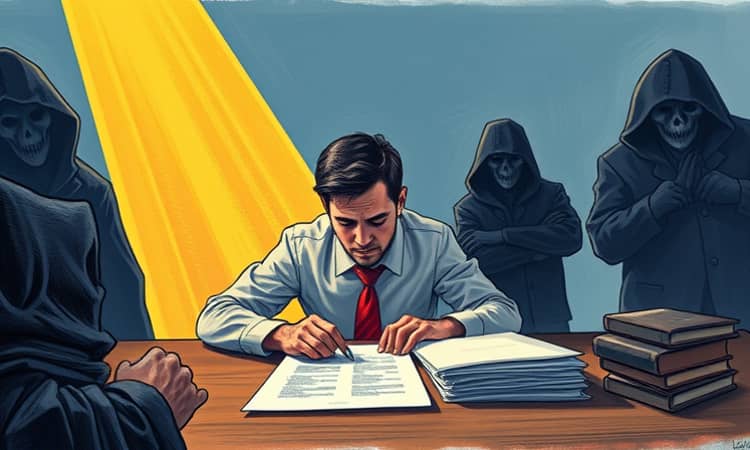
Borrowing money can be a powerful tool for achieving personal goals, from buying a home to starting a small business. However, not all lenders operate with your best interests in mind. Predatory lending practices prey on the most vulnerable borrowers, trapping them in cycles of debt with high fees and unfair terms. Understanding how to identify these red flags is essential for protecting your financial future.
Understanding Predatory Lending
At its core, predatory lending involves offering loans with unfair, deceptive, or fraudulent terms. These lenders often target individuals with limited credit history or urgent financial needs. They may promise quick approval and easy money, but the real cost becomes evident only after signing.
Such practices commonly include excessive interest rates and hidden fees, balloon payments that suddenly become due, and loan terms designed to guarantee failure. Some lenders will pressure borrowers into agreeing without giving them time to review documents. Others may continue to add charges if borrowers fall behind, creating a snowball effect of mounting debt.
Common Signs of Predatory Loans
When you’re exploring loan options, look for these warning signs:
- High upfront fees that are non-refundable before receiving any funds.
- Balloon payments due suddenly that far exceed your ability to repay.
- Penalties or fees for early repayment to keep you locked into a longer term.
- A lender who downplays or fails to disclose the true annual percentage rate or APR.
It’s also alarming when lenders insist on providing cash directly rather than funneling it through a regulated institution. This can bypass systems designed to protect consumers and ensure transparency.
Real-World Examples
Understanding theoretical concepts is important, but seeing how predatory practices play out in real scenarios can be even more revealing. Here are a few examples:
- Payday loans with APRs exceeding 400%, structured so that borrowers must renew every two weeks to avoid default.
- Auto title loans where you risk losing your vehicle after a single missed payment or minor fee.
- Subprime mortgages during the housing bubble, where borrowers with weak credit were approved at teaser rates that later adjusted to unaffordable levels.
These loans often carry the veneer of legitimacy—branded names, sleek websites, and friendly customer service—yet the fine print reveals the trap.
Comparing Loan Features
How to Protect Yourself
Knowledge is your first defense against predatory lenders. Take the following steps before committing to any loan agreement:
- Carefully review the terms and ask for a detailed breakdown of all costs.
- Evaluate the total cost of borrowing by calculating the APR and any additional fees.
- Compare offers from at least three different lenders, including banks, credit unions, and reputable online platforms.
- Avoid lenders who pressure you to sign quickly or refuse to provide documents in advance.
- Seek guidance from a financial advisor or a nonprofit credit counselor.
Before signing, always read every page of the contract and request clarification on any term you do not fully understand. A reputable lender will be transparent and patient with your questions. If they hesitate or rush you, consider it a red flag.
Seeking Help and Reporting Abuse
If you believe you’ve been targeted by a predatory lender or are already struggling under such a loan, there are resources and actions you can pursue:
Contact consumer protection agencies in your area to file a complaint. You can also reach out to nonprofit organizations specializing in debt management and credit counseling. These organizations often offer free workshops and one-on-one sessions to help you craft a plan.
Legal assistance may be available if the lender violated state or federal laws. Document every communication with lenders, including dates, times, and summaries of conversations. This record can be invaluable if a dispute arises.
Building Long-Term Financial Health
Escaping the grasp of predatory lending is just the first step. Building a strong financial foundation helps ensure you won’t face similar dangers in the future. Key practices include:
- Establishing an emergency fund to reduce reliance on high-cost credit.
- Monitoring your credit report for errors or unauthorized accounts.
- Developing a realistic budget and sticking to it.
Over time, as you improve your credit score and accumulate savings, you’ll gain access to more favorable lending options with lower interest rates and better consumer protections.
Conclusion
Predatory lending practices threaten not only your finances but also your peace of mind. By staying vigilant, asking the right questions, and leveraging available resources, you can avoid these traps and secure loans that truly serve your goals. Arm yourself with information, seek support when needed, and always prioritize transparency and fairness when borrowing. Your financial well-being depends on it.