
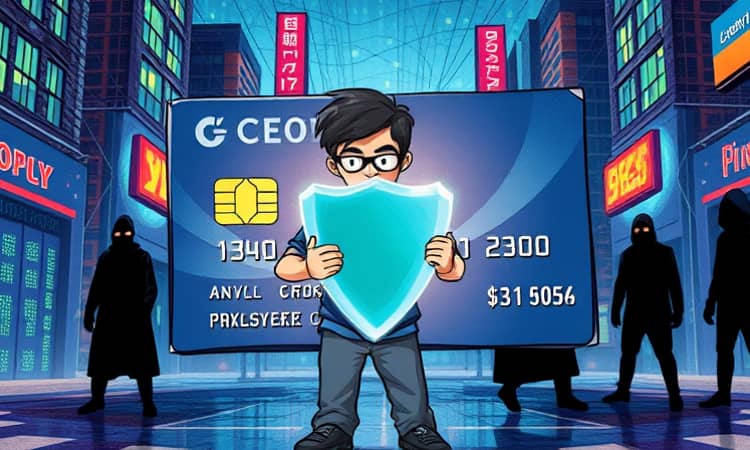
Every day, countless individuals discover that their financial security has been compromised by cybercriminals and fraudsters targeting credit card information. In an era where digital transactions dominate, understanding how identity theft operates and taking concrete steps to defend against it are absolutely critical for financial health.
The Growing Threat of Identity Theft
Identity theft has exploded in recent years, with over 1.4 million reports filed in 2021 alone. Credit card fraud, in particular, has climbed to levels 53% above pre-pandemic statistics. Whether through data breaches, phishing scams, or physical skimming devices, thieves find new avenues to exploit.
The financial industry has suffered billions of dollars in losses. In 2021, identity thieves stole approximately $52 billion, and by 2025 victims faced an average loss of $680 per incident when credit card details were misused. Beyond the financial drains, victims endure emotional and administrative burdens as they rebuild their credit and fight fraudulent accounts.
How Thieves Operate: Common Techniques
Fraudsters employ a variety of tactics to gain unauthorized access to credit card information:
- Account Takeover: Hijacking existing accounts by resetting passwords and redirecting statements.
- New Account Creation: Using stolen identities to open credit lines in victims’ names.
- Phishing and Smishing: Deceptive emails and text messages that trick recipients into revealing credentials.
- Skimming/Shimming: Stealing card data via illicit devices at ATMs or point-of-sale terminals.
Emerging methods like synthetic identity fraud—merging real data with fake information—threaten to cost the industry up to $23 billion by 2030. Children’s Social Security numbers are particularly at risk, being exploited 51 times more often than those of adults.
Types of Credit Card Fraud at a Glance
Impact on Victims: Beyond Monetary Loss
While the financial hit is severe, victims often endure:
- Hours of Resolution Efforts: Contacting banks, credit bureaus, and merchants.
- Credit Score Damage: New fraudulent accounts can lower scores dramatically.
- Emotional Stress: Anxiety and mistrust resulting from personal data misuse.
The fallout can last months or even years, underscoring why proactive defense strategies are so vital.
Preventive Measures: Shielding Your Financial Identity
Implementing strong, layered protections can drastically reduce your risk of becoming a victim:
- Secure Sensitive Documents: Store Social Security cards and statements in a locked location and shred old documents.
- Monitor Accounts Regularly: Review bank and credit card statements for unfamiliar transactions at least monthly.
- Enable Alerts and Two-Factor Authentication: Instant notifications for large purchases and logins add a robust security layer.
- Freeze Your Credit: Prevents new lines of credit from being opened in your name without your explicit approval.
- Be Wary of Phishing Attempts: Never click unsolicited links; always type URLs directly into your browser.
- Use Credit, Not Debit: Credit cards offer better legal protections and limit direct account access.
Beyond these, consider staggering your free annual credit report requests to keep year-round oversight of your credit profiles.
Industry Solutions and Future Trends
Banks and card issuers are deploying advanced technologies to outpace fraudsters. AI-driven fraud detection systems analyze transaction patterns in real time, while behavioral biometrics verify that the legitimate cardholder is making the purchase.
Regulators are also tightening data breach reporting requirements, pushing companies to adopt stronger encryption and security protocols. In 2024 alone, sharp increases in reported breaches have accelerated the rollout of new protective features like dynamic CVV codes and biometric card verification.
Steps to Take if You’re a Victim
If you suspect your credit card has been compromised:
- Contact your card issuer immediately to freeze or cancel accounts.
- File a report with the Federal Trade Commission (FTC) and your local police department.
- Place fraud alerts or credit freezes with all three major credit bureaus.
- Document every communication, noting dates, times, and representatives spoken to.
Swift action not only limits financial loss but also streamlines the path to rebuilding your credit and peace of mind.
Conclusion: Empowerment Through Vigilance
Identity theft and credit card fraud remain formidable threats in our interconnected world. Yet, with diligent monitoring and layered defenses, you can protect your financial future and thwart even the most sophisticated fraud attempts.
Embrace the practices outlined here, stay informed about emerging risks, and respond quickly to suspicious activity. Your vigilance today will safeguard your creditworthiness and grant you the confidence to navigate the digital economy securely.