
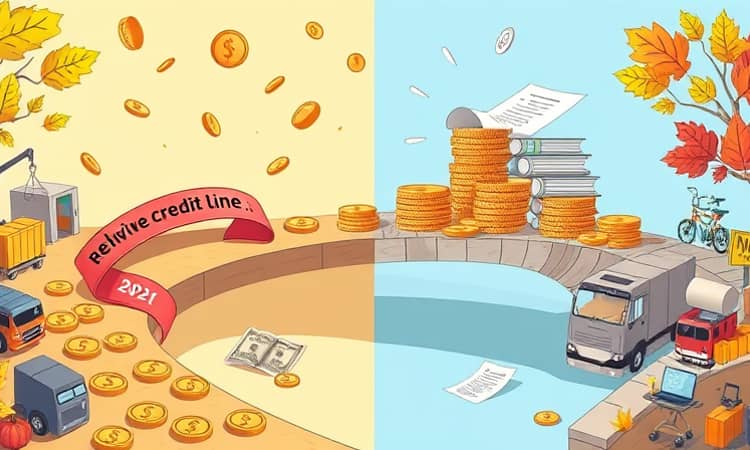
Deciding between different financing options can shape the future of your business. Whether you need to cover unexpected costs, invest in new equipment, or smooth out seasonal dips, understanding your choices is crucial for sustainable growth.
Understanding the Basics
A line of credit is a revolving credit account that allows you to withdraw funds up to a predetermined limit, repay what you use, and borrow again as needed. Interest accrues only on the amount outstanding at any given time, and repayments can often be interest-only in the short term.
In contrast, a term loan provides a lump sum upfront that you repay through fixed installments over a set period. These installments typically include both principal and interest, creating a clear, predictable payment schedule.
Key Structural Differences
While both options offer valuable financing, their structures and best uses vary significantly. The following table highlights the core distinctions to help you evaluate which suits your needs:
Optimal Scenarios for Each Financing Option
Choosing between a line of credit and a term loan often comes down to timing, scale, and purpose. The following use cases illustrate when each shines:
- Line of Credit: Bridging payroll gaps during slow seasons.
- Line of Credit: Covering unexpected operational expenses.
- Line of Credit: Purchasing inventory with rapid turnover.
- Term Loan: Funding equipment purchases for manufacturing.
- Term Loan: Financing real estate or large-scale expansions.
- Term Loan: Consolidating existing business debt.
Pros and Cons Compared
Lines of credit offer exceptional flexibility. You can draw funds only when needed and repay on a variable schedule, making them ideal for addressing short-term cash flow fluctuations or emergencies. However, interest rates are often higher and variable, and unpredictable payments can complicate budgeting.
By contrast, term loans come with fixed interest rates and clear repayment timelines, which fosters financial discipline and easier forecasting. These loans may offer lower rates because they’re often secured by assets. The tradeoff is less flexibility, potential collateral requirements, and a longer, more rigorous approval process.
Interest Rates and Repayment Terms
Interest rates for lines of credit are typically tied to an index such as the Prime Rate, causing them to fluctuate. This can benefit borrowers when rates drop, but it also introduces the risk of higher payments if rates rise. Many lenders offer interest-only payments at the outset, reducing short-term costs but extending the overall term.
Term loans often feature fixed rates for the full duration, ranging from one to ten years or more. These loans are structured so each payment gradually reduces both principal and interest. This amortization approach means higher early payments and decreasing obligations over time, aligning loan term with the useful life of the purchased asset.
Collateral, Eligibility, and Fees
Both financing options can be secured or unsecured. Secured lines of credit and term loans require collateral—such as property, equipment, or inventory—which can lower interest rates but adds risk if payments are missed. Unsecured options rely solely on creditworthiness and financial health, often carrying higher rates and stricter limits.
Lenders evaluate credit scores, cash flow statements, and business history. Lines of credit tend to have faster approval processes, sometimes granting access within days. Term loans involve more thorough underwriting, including appraisals and legal documentation, which may extend approval to several weeks.
Common fees include origination fees, annual maintenance charges, and prepayment penalties. Always request a detailed fee schedule to compare total borrowing costs, not just interest rates.
Making the Right Choice for Your Business
When weighing options, ask yourself key questions: Do you need funds for recurring operational costs or one-off investments? If you must manage variable cash flow, a line of credit provides flexible access to capital without borrowing more than necessary. If you’re acquiring long-term assets and prefer predictable, fixed obligations, a term loan is likely the better fit.
In many cases, businesses leverage both tools. They secure a term loan for major equipment purchases and maintain a line of credit to navigate seasonal fluctuations or unexpected payments. This hybrid approach aligns each financing instrument with its optimal purpose, balancing cost and convenience.
Consumer Examples and Final Thoughts
In the personal finance realm, the principles are similar. A personal line of credit might cover periodic expenses like home repairs or medical bills, while a personal term loan could fund a single major project, such as a renovation or debt consolidation.
Ultimately, understanding the nuances between these options empowers you to align financing strategies with business goals. A well-chosen mix of a revolving credit facility and a structured term loan can fuel growth, manage risk, and keep your operations resilient in any economic climate.