
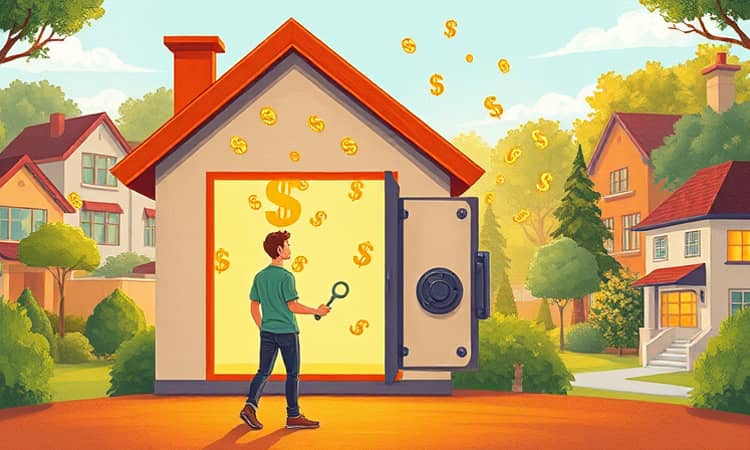
In today’s dynamic mortgage market, homeowners face a pivotal decision: when and how to refinance. With fluctuating rates and evolving financial goals, understanding the refinancing landscape can lead to substantial long-term interest savings. This guide will walk you through current market trends, eligibility criteria, potential benefits, and risks—so you can make an informed choice and unlock powerful home equity opportunities.
Mortgage Market Landscape in 2025
As of August 19, 2025, mortgage rates have stabilized at moderately high levels. The average refinance rate on a 30-year fixed mortgage sits at 6.69%, while 20-year, 15-year, and 10-year fixed rates average 6.37%, 5.78%, and 5.48%, respectively. Variations exist by loan type: FHA, VA, jumbo, and conventional loans each carry unique rate structures and requirements.
Refinance activity has surged, with the dollar volume of applications up 28.6% year-over-year for the week ending August 15. Though slightly down 2.0% from the previous week, this strong annual growth signals robust homeowner demand for refinancing strategies.
Why Now is the Perfect Time to Refinance
For many borrowers, refinancing offers a pathway to reduce monthly payments and save thousands over the life of the loan. As rates have eased from peaks reached in 2021–2023, homeowners with older, higher-rate mortgages stand to gain the most.
- Lock in a lower interest rate and lower monthly payments
- Shorten your loan term for accelerated equity building
- Access home equity with a cash-out refinance for renovations or debt consolidation
- Eliminate private mortgage insurance (PMI) when sufficient equity is available
For example, a borrower with a $400,000 balance at 7.25% who refinances to 6.5% can see roughly $200 in monthly savings. Over the life of the loan, that translates into tens of thousands in interest saved.
Who Can Benefit Most?
Not every homeowner sees the same advantage. Nearly 60% of active mortgages carry rates below 4%, making refinancing less attractive for those borrowers. However, more than 20% of loans currently have rates at or above 5%, and 14.3% exceed 6%—most originated within the past two years.
If rates dip to 5.5%, over 7 million mortgage holders could find refinancing cost-effective. Monitor your current rate and track market movements; a drop of 0.5–1% below your existing rate often signals the ideal refinancing window.
Navigating the Refinancing Process
Refinancing involves several key steps and eligibility considerations. Lenders evaluate credit scores, income, debt-to-income (DTI) ratios, and property valuations. A hard credit inquiry is typical and may cause a small, temporary dip in your score.
- Shop multiple lenders for competitive rates and waived fees
- Gather documentation: income verification, tax returns, and asset statements
- Explore special programs like Fannie Mae’s Refi Now or Freddie Mac’s Refi Possible for streamlined options
Common refinancing types include:
- Rate-and-term refinance: adjust rate and/or loan term without tapping equity
- Cash-out refinance: convert home equity into cash for major expenses
- Streamline refinance: simplified process for FHA or VA loan holders
Summary of Current Refinance Rates (August 2025)
Weighing Costs and Risks
Refinancing isn’t without costs. Expect closing fees ranging from 2% to 5% of the loan amount. Those costs can offset benefits if the break-even period exceeds your planned home tenure.
Extending a 30-year term may lower monthly payments but increase total interest outlay. Cash-out refinances pose a risk of overleveraging, and a hard credit pull can temporarily dip your score. Conduct a full cost-benefit analysis before proceeding.
Timing Your Refinance for Maximum Impact
Key indicators that it’s time to refinance include:
- Market rates drop at least 0.5–1% below your current rate
- Your credit score or financial profile has improved
- You’ve built enough equity to remove PMI or fund meaningful home improvements
Staying informed and acting promptly when rates shift can maximize savings. Use rate alerts and speak with mortgage professionals to seize opportunities as soon as they emerge.
Alternative Paths to Home Equity
If conventional refinancing isn’t the perfect fit, other options exist. FHA and VA streamlines can simplify documentation and speed approval. Home equity lines of credit (HELOCs) or second mortgages provide flexible access to funds without resetting your amortization schedule.
Evaluate each path against your goals—be it debt consolidation, home improvements, or long-term interest reduction—to ensure you choose the optimal solution.
Conclusion: Seize Your Financial Advantage
Refinancing in 2025 presents a powerful opportunity. With increased home equity and stabilized rates, now is the time to explore how a refinance can reshape your financial future. By understanding market trends, weighing costs and benefits, and carefully timing your move, you can unlock savings, accelerate equity growth, and achieve greater financial flexibility. Your home remains one of your most valuable assets—refinance wisely to make it work harder for you.