
When sudden expenses strike—whether a medical emergency, urgent home repair or critical cash flow interruption—short-term loans can offer a vital lifeline. These flexible credit solutions span a few weeks to a year, sometimes up to eighteen months, and are designed to help individuals and small businesses weather financial storms without waiting weeks for traditional approval cycles.
Definition and Purpose
Short-term loans are credit instruments that must be repaid within a brief window, typically six to twelve months. They are tailored to cover urgent or temporary financial needs and bridge unexpected gaps in income or working capital. Borrowers leverage these products for a range of uses—medical bills, car repairs, seasonal business costs or bridging to the next paycheck.
By focusing on immediate liquidity rather than long-term financing, these loans fill a critical niche for consumers and enterprises facing time-sensitive demands. They empower businesses to fulfill orders, maintain inventory and sustain operations when cash flow dips unexpectedly.
Key Characteristics
While short-term loans vary by provider, certain traits remain consistent across most offerings:
- Loan amounts typically range from $100 to $100,000, accommodating both small personal expenses and significant business requirements.
- Repayment periods usually span six to twelve months, rarely extending beyond eighteen months, beyond which loans are classified as medium- or long-term.
- Approval processes can be remarkably swift, often delivering funding within 24 to 48 hours, thanks to minimal documentation requirements and streamlined underwriting.
- Interest rates are generally higher than those for long-term loans, reflecting the increased risk and shorter payoff window.
Types of Short-Term Loans
Borrowers can choose from a broad spectrum of products, each with its own cost structure and use case:
Benefits and Rationale
Short-term loans deliver clear advantages when used responsibly:
- Fast access to cash within 24–48 hours can prevent emergencies from escalating.
- Wide variety of products—secured and unsecured, personal and business—enhances borrower choice.
- Lower credit barriers enable individuals with imperfect histories to access funding.
- Vital support for small businesses facing seasonal slowdowns or sudden order surges.
Risks and Drawbacks
Borrowers must remain vigilant about potential downsides:
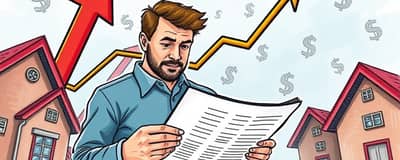
- Significant fees and interest can lead to high repayment costs if not managed carefully.
- Predatory lending practices may target vulnerable consumers, increasing risk of debt traps.
- Secured loans risk collateral loss—vehicles or gold items can be forfeited on default.
- Short repayment cycles may encourage rollovers, trapping borrowers in a debt cycle of mounting obligations.
Regulatory Environment
In the United States, several federal and state regulations govern short-term lending:
Under the Truth in Lending Act (Regulation Z), lenders must provide clear upfront disclosures of costs, terms and repayment schedules. State usury laws cap interest rates or fees in certain jurisdictions, limiting predatory products.
The Consumer Financial Protection Bureau (CFPB) previously enforced an "ability to repay" rule for small-dollar loans, which was rescinded in 2020. Current oversight focuses on disclosure accuracy and complaint resolution, leaving some consumer advocates concerned about expanded lender risk-taking.
Eligibility and Application
Requirements vary by product. Personal loans often need a pay stub, identification and basic income verification. Business loans may hinge on cash flow statements, outstanding invoices or collateral value. Bad credit borrowers can often qualify—but at higher rates and lower limits.
Lenders typically evaluate repayment capacity quickly, using automation and minimal paperwork. For secured loans, collateral documentation and valuation are essential steps in approval.
Alternatives to Traditional Short-Term Loans
Before committing to high-cost credit, consider these lower-cost or zero-interest options:
- Cash-advance apps offering fee-free or low-cost advances against wages.
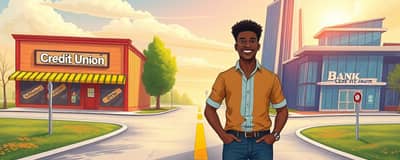
- Bank or credit union lines of credit, regulated and often more affordable.
- Family or friend loans—cheapest but with social and relational risks.
- Employer paycheck advances, where available, typically interest-free.
Market Trends and Best Practices
The short-term lending landscape is evolving rapidly, driven by technology and changing regulations. Digital and fintech solutions now dominate, providing mobile apps, AI-driven underwriting and instant disbursement. Approval rates remain higher than traditional bank loans, fueling market growth.
To navigate this space wisely:
- Compare APRs, fees and repayment terms across multiple lenders.
- Assess the total cost of borrowing, including all ancillary fees.
- Avoid rolling fees and debt by treating these loans as one-time remedies, not ongoing funding sources.
- Prioritize lenders with transparent disclosures and strong regulatory compliance.
Short-term loans can be powerful tools for bridging financial gaps when used judiciously. By understanding their characteristics, weighing risks against benefits, and exploring alternative solutions, borrowers can harness these credit products to manage emergencies and maintain financial resilience. Responsible use, paired with informed decision-making, transforms short-term loans from potential pitfalls into strategic relief options—enabling individuals and businesses to navigate uncertainty with confidence and hope.