
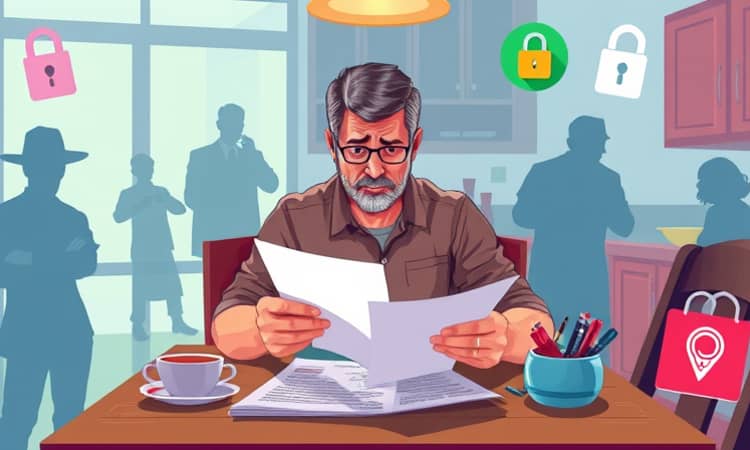
Every day, unsuspecting borrowers face increasingly sophisticated fraud that threatens their savings, homes, and peace of mind. Understanding how scammers operate is your first line of defense.
From fake mortgage offers to cyber-phishing schemes, fraudsters employ a range of tactics to separate victims from their money. This guide dives into the latest trends, warning signs, and practical steps to stay safe.
Current Trends and Scope of the Threat
Since 2022, loan and mortgage fraud has surged by an astonishing 407%. What began as isolated incidents has ballooned into 71 monthly scam reports by early 2025, compared to just 14 reports three years earlier.
Nationwide, reported financial losses have reached $1.38 million from 2015 through 2025, with victims losing an average of $16,829 per incident. Alarmingly, only about 12% of cases report actual monetary loss, suggesting many remain undetected or unreported.
Regional disparities underscore the problem. Georgia recorded losses averaging $423,550 per incident across 28 cases, while Florida reported the highest number of scams, with 49 incidents over the past year.
Regulators point to weakening CFPB oversight and echoes of pre-2008 vulnerabilities as catalysts. Meanwhile, scammers leverage the same advanced technologies as banks, amplifying their reach and credibility.
Typical Scam Scenarios
Scammers constantly innovate, but several schemes dominate the landscape:
- Foreclosure rescue scams: Fraudsters promise to save your home in exchange for upfront fees, sometimes tricking victims into signing away property ownership.
- Debt elimination and modification scams: Advertisements claim to settle debts or renegotiate mortgages for a fee, then vanish without delivering results.
- Phishing and cyber-fraud: Fake emails, text messages, and websites impersonate lenders to harvest personal data or payments.
- Business email compromise: Attackers intercept or spoof corporate communications, redirecting large payments to fraudulent accounts.
- Fake loan offers: Victims are asked to pay administrative or processing fees for loans that don’t exist.
Victim Profiles and High-Risk Groups
While any borrower can be targeted, certain demographics face elevated risk. Mortgage fraud offenders are predominantly male (70.7%), with an average age of 49. Borrowers in financial distress, especially those seeking property investment loans, are particularly vulnerable.
Loan applications for multi-unit investment properties show a 3.5% fraud rate, much higher than the 0.9% rate for primary home purchases. First-time homebuyers, retirees living on fixed incomes, and non-native English speakers often lack the experience or support to spot red flags.
Major racial and citizenship profiles among offenders mirror broader population patterns: 43.1% White, 27.6% Black, 20.7% Hispanic, and 98.3% U.S. citizens.
Spotting the Warning Signs
Awareness is critical. Watch for these red flags:
- Requests for upfront fees to secure a loan or modification.
- High-pressure tactics urging you to act immediately or keep communications secret.
- Unexpected requests to reroute payments or update account credentials.
- Guaranteed approvals, no credit checks, or too-good-to-be-true interest rates.
If an offer seems suspicious, pause and verify through official channels before sharing personal or financial information.
Protective Measures for Individuals and Businesses
Proactively safeguarding your assets requires both digital and procedural defenses.
- Guard online information: Use strong, unique passwords, a reputable VPN, and always check for HTTPS before entering sensitive data.
- Enable two-factor authentication on financial accounts and email platforms.
- Monitor account statements and credit reports regularly for unauthorized changes.
- Shred financial documents and never share personal data over public Wi-Fi networks.
Businesses and credit unions should implement internal controls: segregate duties, require dual approval for transactions, and conduct regular background checks on staff.
Fraud detection tools, such as account alerts, Positive Pay services, and security questions, further strengthen defenses against unauthorized activities.
What to Do If You Suspect or Fall Victim
Swift action can limit losses and help authorities track down criminals:
Report suspicious activity immediately to your bank or lender’s fraud department. Then contact law enforcement, the FTC, your state regulator, and the BBB Scam Tracker.
Gather and preserve all documentation—emails, payment receipts, contracts, and screenshots. This evidence is crucial for investigations and potential legal action.
If you’ve already paid fees or shared data, consider placing fraud alerts or credit freezes on your credit reports. Consult with a consumer protection attorney to explore remedies under state and federal laws.
Evolving Tactics and the Regulatory Landscape
As traditional “pig butchering” scams decline, cyber-enabled schemes like synthetic identity fraud and business email compromise are skyrocketing. Scammers now harness AI to craft highly convincing deepfake voices and personalized phishing emails.
Recent rollbacks in CFPB authority and uneven state regulations have created patchwork defenses. Consumers and businesses must stay informed about evolving risks and advocate for stronger oversight.
Despite regulatory challenges, resources are available. Contact agencies like the FTC, CFPB, your state banking regulator, or the Better Business Bureau for guidance and support.
By staying vigilant, verifying every offer, and employing robust security measures, you can navigate the loan landscape safely and avoid becoming a statistic in the growing fraud crisis.
Your home, finances, and future are worth protecting—start today to outsmart the scammers of tomorrow.