Stepping into the world of credit can feel like unlocking a hidden door. The thrill of your first plastic card arriving in the mail is often accompanied by questions: What does it really mean? How do you avoid pitfalls? This guide will illuminate every corner of that new territory.
From understanding basic mechanics to mastering responsible usage, you’ll gain the confidence to make informed decisions. By the end, you’ll be ready not just to hold a card, but to wield it wisely for long-term success.
Understanding Credit Card Fundamentals
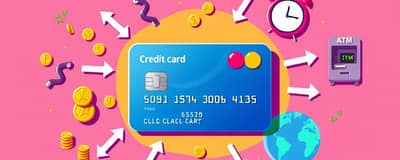
A credit card is more than just a shopping tool—it is revolving line of credit backed by an issuer. Banks, credit unions, or financial institutions provide a spending limit, and payment networks like Visa, Mastercard, Discover, or American Express process your transactions through secure channels.
Each purchase reduces your available balance until you repay it. Paying the full balance before the due date lets you avoid interest charges, thanks to a typical grace period of at least 21 days. Otherwise, your remaining balance accrues interest based on an average variable interest rate: 16.65%, compounding costs over time.
While you must always meet the minimum payment to dodge late fees and protect your credit score, paying more or the full balance is the best way to build strong financial habits and avoid unnecessary charges.
Benefits of Your First Credit Card
There’s more to a credit card than borrowing power. When used thoughtfully, it can become a cornerstone of your financial health.
- Credit-building power: Responsible payments establish a positive credit history, improving your score and unlocking future opportunities.
- Fraud protection and convenience: Most cards feature robust safeguards, chargeback options, and wide acceptance online and in stores.
- Reward potential: Earn cash back, points, or miles on everyday purchases—turning routine expenses into perks.
- Emergency financial cushion: Unexpected costs like car repairs or medical bills can be managed when cash is tight.
Risks and Pitfalls to Avoid
Without a clear strategy, your first credit card can lead to financial strain. High interest rates and missed payments are common traps that can cause long-term harm.
Carrying a balance increases costs substantially. If you carry a balance past the grace period, you’ll pay interest not only on the remaining principal but also on new purchases until the balance is cleared.
High credit utilization, typically above 30% of your limit, signals risk to credit bureaus and can hurt your score. Likewise, multiple applications trigger a hard inquiry on applications, each one shaving a few points off your rating.
Types of Starter Credit Cards
Navigating the Application Process
Applying for your first credit card involves several clear steps. Knowing each phase ensures you present the strongest profile possible.
- Research and Selection: Compare APR, fees, rewards, credit limits, and issuer reputation to find a card that aligns with your goals.
- Check Eligibility: Applicants must be at least 18; under 21 requires proof of independent income. Provide your SSN or ITIN, plus personal details like employment status and housing costs.
- Assess Creditworthiness: Your score, debt-to-income ratio, and payment history influence approval. Aim to keep debts low and income documentation current.
- Submit Your Application: Online is fastest, often providing instant decisions and a virtual card. Mail or in-person applications take longer but are still viable.
- Wait for Approval: If under review, promptly respond to issuer requests for additional information to speed up the decision.
Once approved, the card typically arrives in 7–10 days. After activation, you’ll have immediate access to your new credit line and online account tools.
Building and Maintaining Healthy Credit
Strong credit doesn’t happen overnight, but you can accelerate progress with a few disciplined practices.
Your payment history holds the most weight in your credit score. By making on-time payments is vital, you demonstrate reliability to lenders. Set calendar reminders or automate payments to ensure consistency.
Monitor your credit utilization and keep debt below 30% of your total credit limit. Lower ratios signal responsible borrowing habits and can boost your score over time.
Avoid unnecessary credit inquiries by applying only when you truly need additional credit.
Regularly review your statements and free credit reports to catch errors early. Dispute inaccuracies to safeguard your history and stay alert for potential identity theft.
Common Mistakes and How to Avoid Them
- Making late or missed payments: leads to fees and score drops.
- Maxing out your credit limit: raises utilization and risk.
- Submitting multiple applications in a short period: each triggers a hard inquiry on applications.
- Ignoring monthly statements: missing disputes or fraudulent charges.
By steering clear of these errors, you’ll protect your credit profile and maintain financial freedom for future goals like loans, mortgages, or lower insurance premiums.
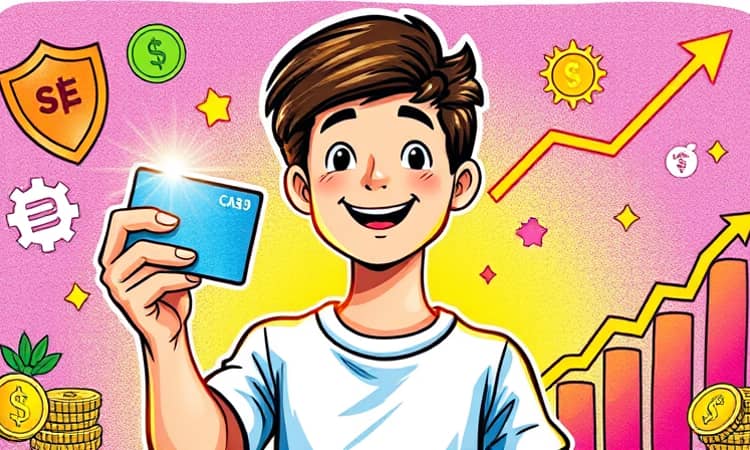
Your first credit card is a powerful launchpad. With careful planning, disciplined spending, and consistent payments, you can transform this small piece of plastic into a tool that opens doors to greater financial opportunities.
Embrace the journey. Each payment you make, each balance you manage responsibly, builds a story of trust and reliability. That story becomes your lasting legacy in the world of credit—one that shapes your financial future for years to come.
Remember, credit is a long-term relationship. Treat each statement as an opportunity to demonstrate your responsibility, and watch as your credit journey propels you toward financial freedom and lifelong stability.