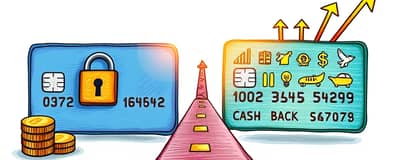
Credit card debt in the United States has reached unprecedented levels, and for many households it looms like a constant weight. With aggregate U.S. credit card debt topping $1.17 trillion in early 2025, millions of Americans struggle to regain control of their finances. By taking a systematic approach—backed by proven methods, reliable statistics, and disciplined budgeting—you can transform a cycle of mounting balances into a story of triumph.
The Growing Challenge of Credit Card Debt
As of Q1 2025, the average cardholder carrying a balance owes $7,321, up 5.8% year over year. More than 800 million credit cards circulate in the U.S., with the typical consumer holding 3.9 cards. These numbers illustrate a landscape where plastic spending accounts for roughly 31% of all payment transactions. While only 46% of cardholders carry a balance today—down from 50% a year earlier—the total debt burden continues to climb.
Delinquency rates remain relatively low at 3.05% of outstanding balances, yet lower-income consumers have seen a striking 63% increase in 30-day delinquencies since 2021. Although the overall rise has slowed to under 1.5% per quarter, the weight of interest and fees can push many into a downward spiral without clear strategies for repayment.
Understanding Your Debt Landscape
A crucial first step is to map out who carries debt and why. According to recent data:
Income levels also shape debt profiles: 56% of those earning under $50,000 carry balances, compared to just 34% of households earning over $100,000. Women are more likely to carry debt for essentials like groceries and utilities, whereas men often cite retail purchases.
By understanding these demographics, you can see where you fit and why certain approaches may work better for your situation.
Proven Methods for Rapid Debt Reduction
Once you know your balances, select a repayment strategy that aligns with your personality and budget. Two of the most popular methods are:
- Avalanche Method: focus payments on the highest interest rate. Make minimum payments on all cards, then direct extra funds toward the card with the steepest APR. This approach minimizes total interest paid over time.
- Snowball Method: focus payments on the smallest balance first. Paying off the lowest balances generates quick wins and momentum, then roll those payments into the next card.
Beyond these, consider:
- Balance Transfers to 0% APR introductory offers. Consolidate high-interest debt onto a single, lower-rate card—but watch for transfer fees and the expiration date.
- Debt Consolidation Loans with lower fixed rates. Simplify payments and potentially reduce your APR, but only if you discipline yourself to avoid new credit card spending.
- Negotiation: request lower rates from issuers. A history of on-time payments can empower you to secure rate reductions or waived fees.
For those facing severe burden, professional guidance such as non-profit credit counseling or debt management plans may negotiate better terms on your behalf. In extreme cases, explore debt settlement or bankruptcy only after weighing long-term credit consequences.
Avoiding Common Pitfalls and Staying on Track
Even the best plan can derail if you fall into familiar traps. Avoid these mistakes:
- Making only minimum payments extends payoff timelines and maximizes interest costs.
- Using new credit to pay old debt (for example, taking cash advances) can exacerbate your balance.
- Ignoring the root causes of overspending—without addressing spending habits, balances will creep back up.
Psychological hurdles often include debt fatigue or discouragement after setbacks. Combat these by reminding yourself of each milestone: a paid-off card, a lowered APR, or a week of on-time payments.
Building Long-Term Financial Resilience
Eliminating existing debt is only half the battle. To prevent new balances from emerging, adopt these best practices:
- Emergency funds of even a few hundred dollars can absorb unexpected costs without relying on cards.
- Automated payments and alerts to avoid late fees and penalty APRs.
- Digital budgeting tools or spreadsheets that track spending patterns and categorize expenses.
Households that closely monitor and automate finances report spending reductions of about 5.8%. Over time, this disciplined approach not only prevents new balances but also frees up resources for savings and investments.
Consider apps that sync with your bank accounts, set spending targets, and provide visual dashboards. Regularly reviewing your statements ensures you catch unauthorized charges and stay aware of your progress.
Conclusion: Your Path to Freedom
Crushing credit card debt is not a quick fix but a journey of determination, clear strategy, and ongoing discipline. By leveraging methods like the avalanche or snowball, negotiating lower rates, and automating payments, you can dismantle the chains of high-interest balances.
Remember, each small victory—whether paying off a single card or cutting monthly interest costs—builds confidence and fuels momentum. Combine these wins with robust budgeting tools and an emergency fund, and you’ll not only demolish existing debt but also create a sustainable foundation for future growth.
Take action today: assess your balances, choose your plan, and commit to the steps outlined here. The freedom that comes from being debt-free is more than just numbers on a ledger—it’s the peace of mind to pursue your goals unburdened by high-interest obligations.