As a first-time credit card applicant, the decision you make can shape your financial future. Whether you’re rebuilding credit or have never used credit before, understanding the difference between secured and unsecured cards is crucial. This article will guide you through every aspect, empowering you to make an informed decision based on circumstance.
Why Your First Credit Card Matters
Obtaining your first credit card is more than just opening a new line of credit. It’s the foundation of your credit history, which determines interest rates, loan approvals, rental applications, and more. A smart choice now can enable lower borrowing costs and better financial opportunities later.
Your first card teaches you budgeting, responsible payments, and the impact of utilization. Learning these lessons early establishes responsible use of your secured card or unsecured account, setting the tone for decades of borrowing power and financial health.
Definitions: What Are Secured and Unsecured Cards?
Before diving into details, let’s define the two main types of starter cards:
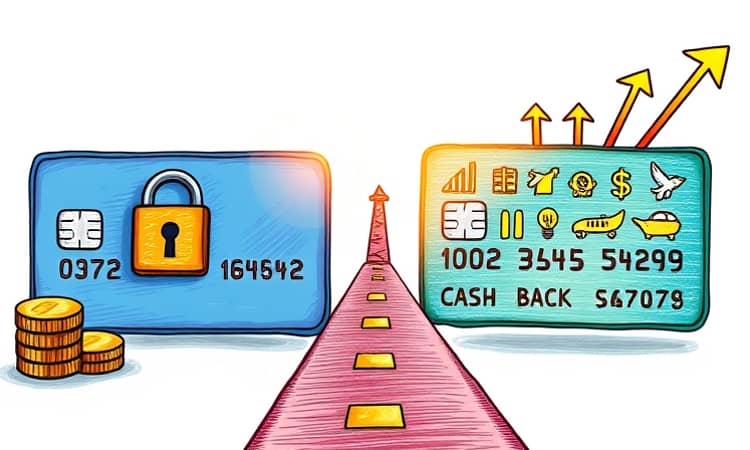
A secured card requires a refundable security deposit equal to the credit limit. This deposit minimizes issuer risk and makes approval accessible to those with no or poor credit. In contrast, an unsecured card demands no deposit; it relies on your credit score and income, usually offering greater limits and perks.
Pros and Cons of Each Card Type
Both secured and unsecured cards can help you build credit, but each comes with trade-offs. Consider the following list as you weigh your options:
- Secured Card Pros: Easier approval, builds credit history, pathway to upgrade.
- Secured Card Cons: Locks up deposit funds, lower limit, fewer rewards.
- Unsecured Card Pros: Higher credit limits and rewards, no deposit, premium perks.
- Unsecured Card Cons: Harder approval, may require excellent credit, risk of overspending.
Who Should Consider Which Card?
Choosing the right card depends on your individual profile and goals.
If you’re a student, recent immigrant, or someone with past credit setbacks, a secured card offers a clear path to establishing or rebuilding your score. With a refundable security deposit equal to limit, you guarantee approval and can prove your reliability over time.
On the other hand, if you already have a solid credit score (generally 670 or above) and steady income, an unsecured card rewards you from day one. You’ll enjoy valuable rewards and perks such as cash back, travel points, and purchase protection.
Building Credit and Upgrading Over Time
Regardless of the card you choose, the key to success is build or rebuild credit profiles through consistent, on-time payments and low balance-to-limit ratios. Credit bureaus reward responsible behaviors, which gradually boost your score.
Many issuers automatically review secured cardholders after 6–12 months. If your account is in good standing, you may receive a credit limit increase, deposit refund, or direct conversion to an unsecured product—offering a graduated upgrade path to better options.
Practical Next Steps
Ready to apply? Follow these simple steps to streamline your selection process:
- Check your credit report and score through free annual statements to identify your baseline.
- Decide how much deposit you can afford without straining your finances.
- Compare annual fees, APRs, and rewards structures across secured and unsecured offerings.
- Create a payment plan that ensures on-time monthly payments and maintains low utilization.
- Monitor your progress and request reviews or upgrades after six months of responsible use.
Closing Guidance: Finding Your Perfect Fit
There’s no one-size-fits-all answer when choosing between secured and unsecured credit cards. Your credit history, financial resources, and reward preferences all play a role. By carefully assessing your situation, you can select a card that not only meets your immediate needs but also sets you on a path toward better credit health.
Remember, whether you start with a secured option or jump straight into an unsecured product, responsible use of credit is the real driver of long-term success. Take charge of your financial journey today, and watch your credit score—and opportunities—soar.