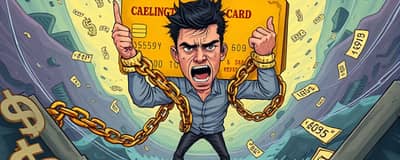

Facing an unexpected charge on your credit card statement can feel overwhelming. Yet, as a cardholder, you possess a powerful set of rights and protections designed to shield you from unfair billing errors and unauthorized transactions. Understanding the dispute resolution process not only empowers you to act swiftly but also ensures you maintain control of your finances.
Legal Foundation and Consumer Protections
The cornerstone of your rights is the Fair Credit Billing Act (FCBA), a federal law that guarantees you the right to dispute billing errors and prevents payment for unauthorized charges. The Consumer Financial Protection Bureau (CFPB) enforces this law, ensuring card issuers comply with strict guidelines. Under the FCBA, you can challenge a range of issues, from duplicate billings to charges for goods not received.
Time is of the essence: you generally have 60 days from the statement date containing the error to submit your dispute in writing. Some issuers or networks extend this window to 120 days for fraud or non-delivery claims, but you should not delay your action.
Common Reasons for Disputes
Consumers typically file disputes for:
- Unauthorized or fraudulent transactions
- Incorrect or duplicate charges
- Non-delivery of goods or services
- Products or services not as described
- Recurring charges after cancellation
Having clear documentation—such as receipts, order confirmations, and screenshots of merchant communications—strengthens your case.
Step-by-Step Dispute Process
While regulations can vary slightly between issuers and networks, the general process unfolds as follows:
- Contact the Merchant: Attempt to resolve the issue directly. This good-faith effort is required for certain disputes and can lead to faster resolutions.
- File the Dispute: Submit your claim to the card issuer by mail, phone, online portal, or email. Include supporting evidence like receipts and correspondence.
Once filed, your issuer must acknowledge receipt of the dispute within 30 days. You may receive a temporary provisional credit for the disputed amount, relieving you from paying interest or the charge itself during the investigation.
Timeframes and Key Deadlines
The FCBA and card network rules establish clear deadlines for each stage of the process to protect consumers and merchants alike.
Possible Outcomes and Appeals
After the investigation, the issuer will either approve or deny your dispute. If approved, the provisional credit becomes permanent, and the merchant forfeits the disputed funds along with any chargeback fees. If denied, the issuer must provide a written explanation for their decision, and any provisional credit is reversed.
Partial resolutions can occur when only some charges are upheld. You also retain the right to appeal the decision. The issuer’s final communication will detail how to pursue further review or arbitration through the card network.
Merchant and Issuer Responsibilities
Merchants have the opportunity to challenge chargebacks by supplying evidence—proof of delivery, customer correspondence, or service records. If a merchant fails to respond within the network’s deadline (often 45 days), they lose by default.
Card issuers must adhere to FCBA mandates. Failure to follow proper procedures can result in penalties and forced resolution in the consumer’s favor. Both parties may escalate disputes to arbitration, where losing sides often pay significant fees.
Special Rules and Limitations
For certain claims under the “claims and defenses” provision, additional requirements apply:
- Purchase over $50
- Good-faith attempt to resolve with the merchant
- Transaction made within 100 miles of your billing address or in your home state
- Item not fully paid for yet
International purchases may follow different timeframes—Visa and Mastercard often allow up to 180 days for disputes outside the U.S. Always verify your cardholder agreement.
Practical Tips for Consumers
To maximize your chances of success:
- File disputes promptly—do not wait past 60 days.
- Keep detailed records of all communications and documentation.
- Monitor your account and respond quickly to issuer inquiries.
- Follow up in writing, even after a phone call, to create a paper trail.
By taking these steps, you demonstrate organization and seriousness, which can tip the balance in your favor during a chargeback.
Conclusion: Empowering Your Financial Future
Credit card disputes are more than a bureaucratic process—they represent your fundamental right to fair billing practices. Armed with knowledge of the FCBA, clear timelines, and practical advice, you can navigate disputes with confidence and ease. Remember, each step you take reinforces the integrity of your finances and sends a message that you will not accept errors or unauthorized charges.
Stay vigilant, assert your rights, and use the protections in place to maintain a healthy, transparent relationship with your credit card issuer. Your financial well-being depends on it.