Credit card debt can feel like a relentless weight, but with the right strategy and mindset, you can turn the tide. In this comprehensive guide, we’ll compare two popular payoff methods, provide real-world examples, and offer actionable steps to reclaim your financial freedom.
The Credit Card Debt Landscape in 2025
As of 2025, Americans collectively carry $1.21 trillion in credit card debt. Nearly 60% of adults have made paying down balances a top priority, yet the average cardholder still holds $7,321 in unpaid debt, up 5.8% from the previous year.
With average APRs soaring above 22%, carrying balances has become increasingly expensive. Delinquency rates have slightly improved but remain historically high, stressing the importance of a deliberate repayment plan.
Understanding the Snowball and Avalanche Methods
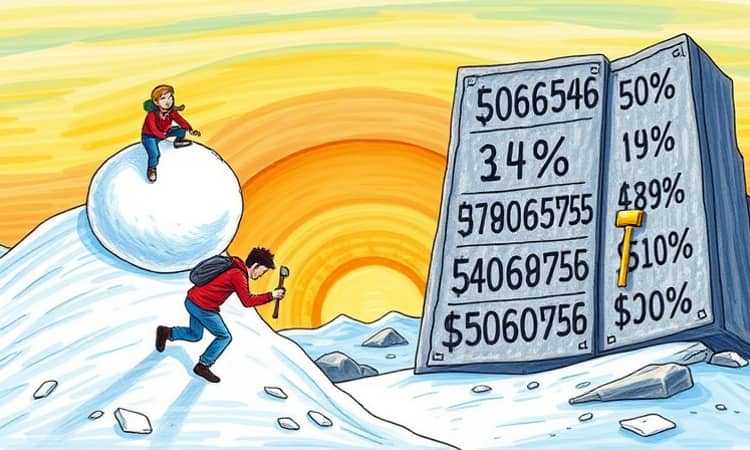
Both the Snowball and Avalanche methods provide structured approaches to eliminate debt, but they differ in focus and order. Choose the path that aligns best with your personality and goals.
The Snowball Method
Begin by listing all debts from the smallest balance to the largest. You pay only the minimum on larger accounts while directing every extra dollar toward the smallest debt until it’s gone.
This approach offers rapid visible progress and motivation. Each paid-off account becomes a tangible win, fueling your determination to tackle the next balance.
The Avalanche Method
Organize debts by interest rate, high to low. Contribute minimum payments on all debts except the one with the highest APR, and funnel any surplus toward that account.
Though you might not see immediate zero balances, this strategy yields the lowest total repayment cost and can save hundreds or thousands in interest over time.
Real-World Example: Comparing Outcomes
Consider a scenario with three debts and an extra $100 per month:
- Credit Card: $5,000 at 20% APR (minimum $150/month)
- Personal Loan: $1,000 at 10% APR (minimum $200/month)
- Student Loan: $10,000 at 8% APR (minimum $225/month)
With the Avalanche method, you’ll reach debt freedom in 26 months, paying $2,213 in interest. The Snowball method wraps up in 25 months but costs $2,251 in interest. While the difference may seem small—just $38 in this example—it can grow significantly with larger balances or higher rates.
Psychological and Practical Considerations
Financial behavior isn’t purely mathematical. The Snowball method’s quick wins can be crucial if you struggle to stay on track. Experts in behavioral economics often recommend it because success breeds more success.
The Avalanche approach appeals to those who are comfortable with delayed gratification and details. Tracking interest rates demands diligence, but the long-term rewards can be substantial in a high-interest environment.
Step-by-Step Guide to Getting Started
- List all debts, noting balances, interest rates, and minimum payments.
- Create a realistic monthly budget, identifying how much extra you can allocate.
- Commit to paying each minimum payment on time to avoid penalties.
- Apply all additional funds to your chosen target debt following your method.
- Regularly reassess your budget and adjust if income or expenses change.
Choosing the Right Approach for You
Your personality and financial situation should guide your choice. If you need early victories to stay motivated, Snowball may be the better fit. If you can stay disciplined through slower progress, Avalanche maximizes savings.
Remember, avoid diluting payment impact. Focusing on one debt at a time—rather than spreading extra dollars thin—accelerates overall progress and builds confidence.
Common Pitfalls and How to Overcome Them
- Falling off track due to unexpected expenses: Build a small emergency cushion to protect your plan.
- Taking on new debt: Commit to using credit cards sparingly during repayment.
- Losing momentum: Celebrate each paid-off account and review progress monthly.
Resources and Support
- Nonprofit credit counseling agencies offering free or low-cost guidance.
- Online calculators and mobile apps to visualize payoff timelines.
- Community support groups and forums for accountability and tips.
Conclusion
Regardless of the path you choose, taking deliberate action against credit card debt is the first step toward a sustainable, debt-free future vision. By understanding both the Snowball and Avalanche methods, you can tailor a plan that fits your needs, strengthens your financial habits, and ultimately delivers the empowerment of complete debt freedom.