
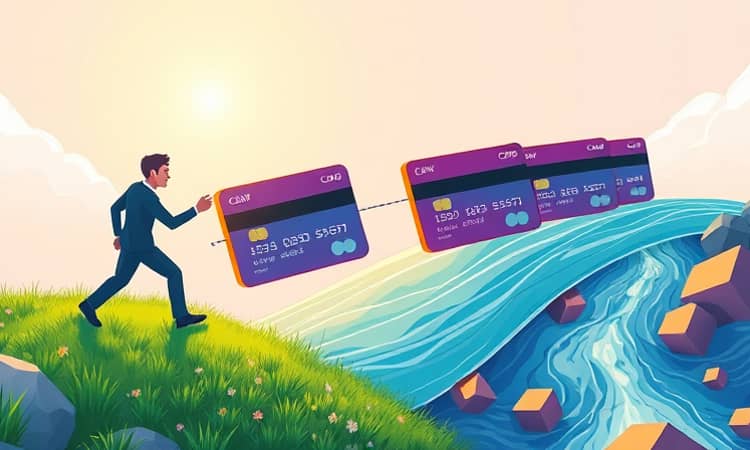
Debt can feel like an ever-present burden that weighs on every aspect of daily life. If you are juggling multiple bills, fluctuating interest rates, and unpredictable due dates, the process of debt consolidation may seem like a beacon of hope. But is it truly the right solution for your unique financial situation? In this comprehensive guide, we will unpack the mechanics of debt consolidation, weigh the potential benefits against the drawbacks, and help you make an informed decision.
Understanding Debt Consolidation
At its core, debt consolidation is the strategy of combining multiple obligations—such as credit cards, personal loans, or medical bills—into a single new loan or payment arrangement. This can create the perception of greater control by offering one monthly payment instead of several. Common methods include taking out a personal consolidation loan, transferring balances to a credit card, or tapping into an existing line of credit.
How It Works: Mechanisms and Options
Different approaches to debt consolidation cater to various needs and qualifications. Choosing the right path depends on your credit profile, collateral availability, and willingness to accept new terms.
- Debt consolidation loans: Personal or unsecured loans designed to pay off multiple accounts.
- Balance transfer credit cards: Special cards offering a 0% APR promotional period for a set duration.
- Home equity loans/lines: Using equity in your home as collateral, which involves higher risk.
- Other credit lines when favorable rates are available.
Key Benefits of Consolidating Debt
When successfully executed, debt consolidation can deliver a range of advantages that extend beyond simple convenience. By streamlining your obligations, you can gain momentum and clarity in your repayment journey.
- Simplified payment structure: One bill each month reduces the chance of missing payments and incurring late fees.
- Potentially lower interest rates: Consolidation loans often boast rates below typical credit card APRs.
- Reduced monthly payments: Extending the repayment period can free up cash flow.
- Improved credit utilization: Paying off credit cards lowers your utilization ratio, which can boost scores.
- Stress reduction: A clear, fixed repayment plan eases financial anxiety.
Below is a table illustrating typical rate ranges and fees associated with popular consolidation options:
Potential Drawbacks and Risks
Debt consolidation is far from a silver bullet. Understanding the potential pitfalls helps you avoid unintended consequences and ensures you make a decision aligned with long-term financial health.
- Upfront costs can be high: Fees may negate interest savings if not carefully calculated.
- Extended repayment period: Lower payments can translate into more total interest paid over time.
- Credit requirements: Poor credit may force you to provide collateral or accept higher rates.
- Risk of new debt: Without disciplined spending, you might max out cards again.
- No root-cause fix: Consolidation addresses payment logistics, not spending habits.
Who Should Consider Consolidation?
If you have multiple high-interest accounts—especially credit cards—and struggle to keep up with variable due dates, debt consolidation could deliver a lifeline. Ideal candidates generally share these attributes:
• A stable, predictable income that covers the new payment comfortably.
• A credit score strong enough to secure a lower interest rate than existing debts.
• A commitment to avoid accruing additional balances after consolidation.
Those who maintain on-time payments on the new consolidated loan may also see a gradual credit score improvement due to reduced utilization and consistent payment history.
When Debt Consolidation May Not Be Right
Not every financial scenario benefits from consolidation. You may want to hold off or choose another strategy if:
• Your account balances are already nearly paid off or are small, offering limited savings potential.
• You are unlikely to qualify for a favorable rate, meaning no substantial interest reduction.
• Your spending behavior remains unchanged, risking a repeat of the same debt cycle.
• You have poor credit and would be forced into secured options that endanger personal assets.
Steps to Take Before You Decide
Before signing on the dotted line, follow these essential preparatory steps to ensure consolidation makes mathematical and personal sense:
1. List every debt, its balance, and current APR. Calculate the weighted average interest you pay today.
2. Get prequalification offers to estimate the rates and terms without affecting your credit score.
3. Run the numbers: include all fees, projected monthly payments, and total interest over the loan’s lifetime.
4. Perform a self-audit of your spending habits to identify areas for improvement.
5. Explore non-loan options, such as nonprofit credit counseling or a debt management plan, to compare potential savings and support.
Alternatives to Consolidation
If consolidation does not align with your goals, consider other methods of regaining financial control:
Debt management plans offered by reputable credit counseling agencies can negotiate lower rates without creating new debt instruments. These plans typically close your credit cards but may deliver immediate monthly savings.
Debt settlement is a high-stakes approach involving negotiating with creditors to accept less than the full balance. It can severely damage credit and should be pursued only with professional guidance.
Final Guidance: Discipline and Professional Advice
Consolidating debt can be transformational when executed thoughtfully, but it is not a substitute for disciplined financial habits. Developing a realistic budget, setting aside emergency savings, and avoiding unnecessary spending are equally vital to long-term success.
Before making a final decision, consider consulting a nonprofit credit counselor or a qualified financial advisor. These professionals can help you navigate pitfalls, compare alternatives, and craft a personalized action plan that aligns with your goals.
Ultimately, the smartest financial choices stem from clarity, preparation, and the commitment to sustainable money management. If debt consolidation fits into that framework for you, it could be the strategic move that brings you one step closer to lasting financial freedom.