
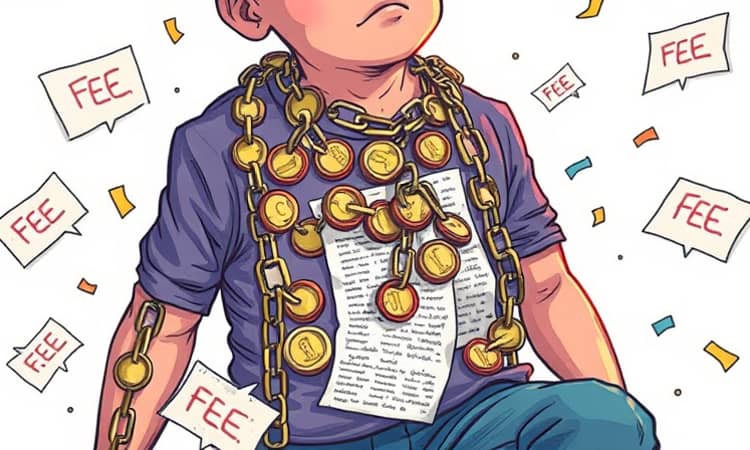
Borrowing money can seem straightforward when you hear a low interest rate. Yet, the small extras buried in the fine print often make a loan much more expensive than it appears at first glance. Understanding these hidden costs is critical to protecting your wallet and your future.
Why Hidden Costs Matter
When lenders focus on a headline rate, you may miss dozens of extra charges. Those add-ons may start small but can quickly erode expected savings or overshadow any benefit of a low borrowing rate. As fees compound over time, the actual cost of your loan can balloon beyond your initial calculations.
Types of Hidden Loan Fees
Fees can be bundled or standalone, but almost every loan type can carry unexpected charges. Below are some of the most common.
- Origination/Application Fees: One-time charges from 1–5% of the loan amount. A $10,000 loan could cost $100–$500 before you ever get the money.
- Prepayment Penalties: Fees of 2–5% on the remaining principal if you pay off early, reducing your flexibility.
- Late Payment Fees: Flat or percentage penalties, often £12 or more per missed payment, plus credit score impact.
- Processing/Underwriting Fees: Sometimes itemized separately or rolled into origination fees.
- Closing Costs: Third-party expenses (appraisals, legal) often 2–6% of mortgage or business loan value.
- Returned Payment Fees: Charges for bounced checks, typically $25–$35 each occurrence.
- Subscription/Membership Fees: Recurring monthly charges of $1–$19.99 for cash advance or payday apps.
- Expedite/Fast-Funding Fees: Instant access charges of up to $25 per transaction.
- Renewal or Rollover Fees: Payday loan extensions often cost $45 or more each time, compounding overall debt.
Real-World Examples and Numbers
Concrete figures show how quickly fees accumulate:
This table highlights that what seems minor can, in reality, lead to hundreds of dollars in surprise costs. For short-term loans, a single rollover can double the price you expected to pay.
Impact on Borrowers
Hidden fees not only increase the total repayment but also complicate budgeting. Many borrowers find themselves struggling to make loan payments, triggering more penalties and a downward spiral of debt. Overdependence on high-cost credit, such as payday loans or cash advances, can lead to mounting financial distress and harm creditworthiness.
In addition, bundled fees obscure true cost comparison. Two lenders may advertise similar rates, but one with extensive add-ons might be drastically more expensive when you include all charges. That is why the stated interest rate alone is rarely a reliable measure of which loan is best.
Transparency Issues and Borrower Protections
Regulations vary by region. Some jurisdictions require lenders to disclose total APR, which incorporates all fees into a single percentage. Others allow fees to be broken out in obscure line items, making it easier to overlook them. Always ask for the total APR for clearer cost before committing.
Certain US states mandate extended repayment plans for payday loans without further charges. Ethical or credit-union lenders may advertise zero foreclosure costs or flexible prepayment terms. Yet many fintech apps layer on membership, expedite, and suggested tips, making it all too easy to lose track of the total you owe.
Strategies to Minimize Hidden Costs
Empower yourself by adopting these practical steps:
- Review all loan agreements carefully and insist on a full breakdown of every fee.
- Compare total APRs, not just the advertised interest rate.
- Negotiate prepayment penalties; many lenders will reduce or waive them.
- Set up automatic payments and calendar reminders to avoid late fees.
- Avoid rollovers on payday loans and steer clear of repeated short-term borrowing.
- Choose reputable lenders with clear, itemized disclosure practices.
- Monitor for compounding effects in cash advance apps; watch out for membership and expedite charges.
Conclusion
Hidden loan costs can quietly inflate your debt and derail your financial goals. By recognizing common fees, examining real-world examples, and demanding full transparency, you equip yourself to make smarter borrowing decisions. Armed with the right questions and comparison strategies, you can avoid unpleasant surprises and keep your finances on solid ground.
Remember, a loan’s sticker rate is only part of the story. Dig into the details, negotiate where you can, and always calculate the total cost before signing that agreement.