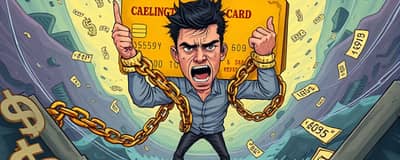

Carrying high-interest credit card debt can feel like being trapped in a never-ending cycle of payments and mounting balances. Yet, with the right approach, you can significantly lower your APR and take control of your finances. This article explores why it matters, when to act, and how to prepare for a successful negotiation with your issuer.
Understanding the Current Interest Rate Landscape
In 2025, credit card interest rates in the U.S. are near historic highs, driven by elevated prime rates and expanding lender margins. The average APR across all accounts is 21.16%, while accounts carrying a balance face an average of 22.25%. General purpose cards can reach 24.62%, and private label cards spike to 31.15%. Nearly half of cardholders carry balances month to month, making these rates a major financial burden for many.
With average credit limits climbing to $29,855 and interest margin at an all-time high of 17.12%, reducing your APR can translate into hundreds or thousands of dollars in savings over time.
Why You Should Negotiate Your APR
Lowering your interest rate delivers immediate and long-term benefits. A small drop of even 3–5 percentage points can shorten your payoff timeline by months or years and reduce high-interest debt more quickly. You’ll also experience less financial stress month after month, freeing up cash for savings or essential expenses. Negotiation is not a gamble—it’s a strategic step toward building healthier financial habits.
When to Make Your Move
Timing can affect your success. Consider negotiating when:
- You consistently pay your balance on time and in full.
- Your credit score has improved, ideally above 700.
- Market rates have dipped or competitors advertise lower APRs.
- You’ve held your card for at least a year with a strong history.
If you’ve faced temporary hardship, such as job loss, lenders may offer short-term relief. However, your best leverage comes from demonstrating long-term reliability and loyalty.
Factors That Affect Your Negotiation Success
Several variables play a role in whether your issuer will reduce your APR:
- Credit score: A score of 700+ provides strong leverage.
- Payment history: An on-time payment record as evidence of responsibility.
- Customer tenure: Years of loyalty can tip the scales in your favor.
- Recent credit improvements: Highlight any positive changes.
- Competing offers: Reference pre-approved rates from other banks.
- Personal circumstances: Explain any temporary financial challenges.
Preparing Your Case
To negotiate effectively, gather all relevant information before you call:
- Your current APR and card terms from recent statements.
- A recent credit score report (many cards provide this for free).
- Documentation of competitor offers tailored to your profile.
- Details of your payment history and tenure with the issuer.
Having this data at your fingertips shows you’re serious and well-informed.
Effective Negotiation Tactics
Once you’ve prepared, follow these steps during your call:
- Dial the customer service number on your card and verify account details.
- Open politely: express loyalty and reference how long you’ve held the account.
- Use a sample negotiation script for guidance: “I’ve been a loyal customer and always make on-time payments. I’ve noticed lower rates elsewhere. Can you match those?”
- Mention competing offers to strengthen your request and cite specific rates.
- Be prepared for a “no”: ask about temporary relief programs or upcoming promotions.
- If declined, employ the HUCA tactic—Hang Up, Call Again—to reach a different representative.
After the Call: Next Steps
If approved, request written confirmation of your new APR and terms. Ensure you have written confirmation of all terms by email or letter, and log the representative’s name and date of call. If your request is denied, ask what specific steps you can take to qualify in the future and when you can call back.
Alternatives if Negotiation Fails
Even if your issuer refuses, you have options:
• Balance transfer credit cards with 0% introductory APR offers (watch for transfer fees).
• Debt consolidation loans with lower fixed interest rates.
• Nonprofit credit counseling agencies that negotiate on your behalf.
Continuing to pay on time and reduce your balance will improve your score and position you for better results down the road.
Common Pitfalls and Considerations
Remember that lenders are not obligated to lower your rate. Multiple credit applications can temporarily ding your score, so research thoroughly before pursuing new cards. Some reductions may be temporary hardship programs, so clarify the duration of any rate cut. Above all, approach the process with patience and persistence.
Conclusion
Negotiating your credit card APR is a powerful way to unlock real savings and reduce debt faster. By understanding the comprehensive credit card interest landscape, preparing your case with data, and employing strategic communication, you can often secure a lower rate. Even if you face initial resistance, alternatives like balance transfers and consolidation loans remain viable. Take proactive steps today—call your issuer, present your research, and begin reclaiming control of your financial future.