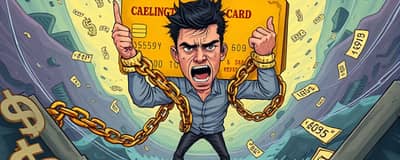
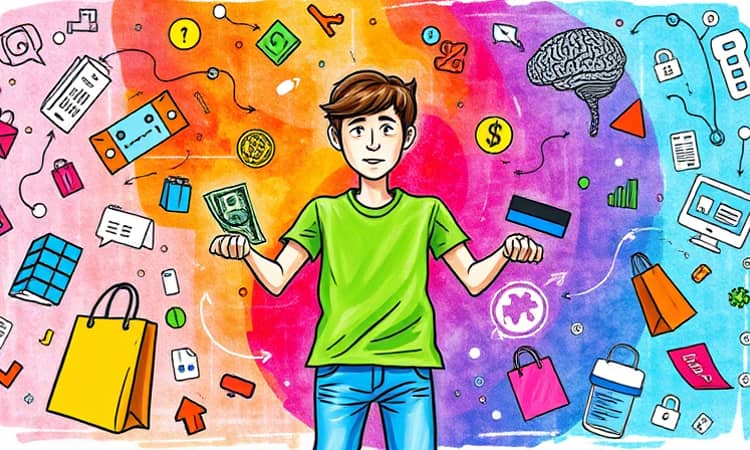
Credit cards have revolutionized the way we pay for goods and services, turning each purchase into an almost frictionless experience. Yet this convenience carries hidden psychological consequences that affect how we think, feel, and act every time we reach for our plastic.
By understanding these mechanisms, consumers can gain control over their habits and make more deliberate financial decisions.
How Credit Cards Transform Spending Experiences
Paying with a credit card creates a sense of detachment between the moment of purchase and the moment of payment. This separation means shoppers often focus on the thrill of acquiring an item rather than on the actual cost.
Neuroeconomic studies reveal that credit card transactions engage neural pathways in the brain’s reward center, making each swipe feel satisfying. This shift rewires our spending behavior in profound ways.
The Pain of Payment and Neural Insights
One of the most powerful psychological effects of credit cards is the pain of payment reduction. When using cash, we experience an immediate sensation of loss—our hand physically parts with the money. With credit, that sensation is muted or delayed until the monthly bill arrives.
fMRI scans show that credit card spending activates the striatum more strongly than cash payments, amplifying pleasure signals and dampening negative emotions tied to spending. In essence, credit cards can release the brakes on our purchasing impulses.
These findings underscore how payment method alone can shift behavior by double-digit percentages.
Impulse Buying and Instant Gratification
Credit cards are designed for speed and convenience. With just a quick swipe or tap, consumers can indulge in instant gratification and impulse spending.
This ease of purchase often leads to higher volumes of unplanned or unnecessary items, from late-night food deliveries to luxury goods that strain budgets. Unchecked, such behavior exacerbates household debt and disrupts long-term financial goals.
Emotional Spending and Debt Feedback Loops
Emotions play a central role in credit card misuse. Whether triggered by stress, boredom, or celebration, emotional spending can provide temporary relief. Yet these purchases are often followed by regret, anxiety, and increased debt.
Consider the case of a young professional, Maya, who treated herself to designer handbags after a stressful week. The initial rush felt empowering, but the mounting credit card bill quickly became a source of dread. Her attempts to swipe away stress only created a deeper cycle of anxiety.
When emotional spending leads to debt, consumers may turn back to credit for comfort, trapping themselves in a denial of financial reality and fueling a self-perpetuating feedback loop.
Social Influences: FOMO and Peer Pressure
Social media amplifies the urge to spend, as individuals witness curated images of friends or influencers flaunting their purchases. This fear of missing out (FOMO) can push consumers to match lifestyles they cannot afford.
Cognitive biases compound this effect. Key biases include:
- Present Bias: Overvaluing immediate enjoyment over future financial well-being
- Optimism Bias: Underestimating the difficulty of repaying debt
- Social Comparison Bias: Measuring personal success by others’ spending
These forces converge to drive people toward higher spending with credit cards, often without conscious awareness of the accumulating balance.
Denial, Awareness, and the Digital Payment Future
The digital payment revolution promises ever-greater convenience. Mobile wallets and contactless cards further distance consumers from the physical act of handing over money, intensifying the reduced pain and increased reward dynamic.
As transactions become more abstracted, many users lose track of how much they spend. The average consumer underestimates their credit card debt by 20–30%, believing unbilled charges will somehow disappear or remain manageable.
Without deliberate interventions, the shift to cashless societies may accelerate spending habits that already strain personal and national economies.
Strategies for Mindful Credit Use
Understanding the psychology behind credit card spending is the first step toward change. Financial therapists and behavioral scientists recommend:
- Track all transactions daily to build awareness
- Set hard spending limits and freeze cards when thresholds are reached
- Adopt a 24-hour rule before making non-essential purchases
- Use budgeting apps that categorize expenses in real time
Behavioral tools that slow down decision-making can counteract impulsive swipes. Research shows that pausing before checkout reduces unplanned purchases by up to 40%.
Experts like Dr. Lena Rodriguez, a financial therapist, emphasize the importance of linking spending to core values: “When consumers align purchases with personal goals—whether travel, education, or homeownership—they cultivate discipline that resists fleeting temptations.”
Ultimately, balancing convenience and caution empowers consumers to harness the benefits of credit cards without falling prey to their psychological pitfalls. By combining awareness, practical tools, and occasional self-imposed friction, individuals can transform credit from a spending trap into a strategic financial ally.